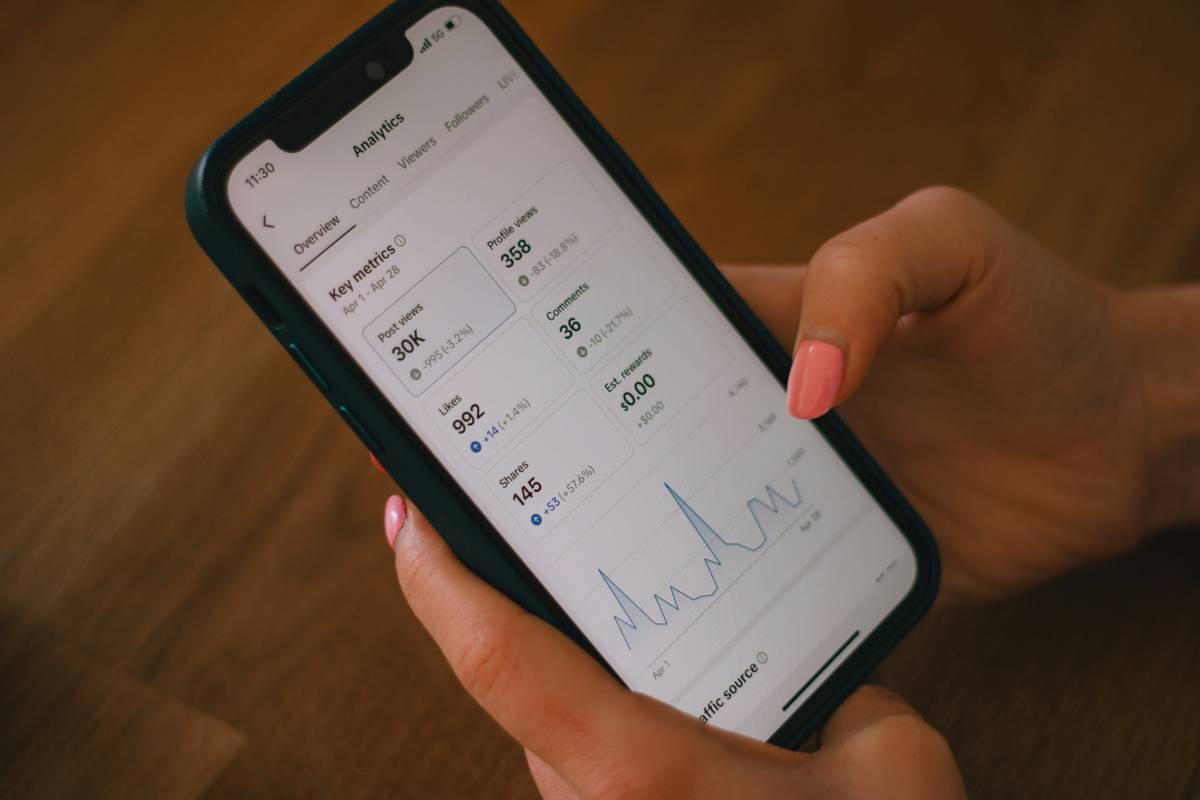
How many potential customers slipped through your fingers last month while you were in a meeting, on another call, or just overwhelmed? If you’re not tracking missed call analytics for businesses, you’re flying blind in one of the most critical touchpoints of your customer journey. In today’s hyper-connected world, every ring matters—and silence costs sales. This guide cuts through the noise to show you how to turn missed calls from revenue leaks into strategic insights, using real-world tactics that actually work.
Table of Contents
- Why Missed Calls Are a Silent Revenue Killer
- How to Set Up Missed Call Tracking in 4 Steps
- 5 Best Practices for Actionable Call Insights
- Real Businesses That Turned Missed Calls Into Wins
- Frequently Asked Questions
Key Takeaways
- Unanswered calls often signal high-intent leads—ignoring them wastes qualified opportunities.
- Modern VoIP platforms automatically log and categorize missed calls without manual effort.
- Integrating call data with CRM systems reveals behavioral patterns and staffing gaps.
- Companies using missed call analytics for businesses recover up to 30% more leads, according to industry benchmarks.
- Privacy-compliant tracking (see our Privacy Policy) builds trust while gathering intelligence.
Why Missed Calls Are a Silent Revenue Killer
I once ran a small SaaS startup where we proudly displayed a “Call Now” button on every landing page. But we used a basic mobile number with no voicemail transcription or logging. One Tuesday, our sales lead checked his phone after lunch and saw 14 missed calls—all from prospects who’d bounced to competitors within minutes. We lost an estimated $28,000 in pipeline that week alone. The gut punch? We had no way to know who called, when, or why they mattered.

That’s the brutal truth: a missed call isn’t just a blip—it’s a frustrated buyer signaling urgency. According to a Salesforce State of Sales Report, 80% of B2B buyers expect a response within 24 hours, and 40% want contact within an hour. If your team misses that window, you’re not just losing a call—you’re losing credibility.
In the technology-driven landscape of business productivity, missed call analytics for businesses transforms this vulnerability into a diagnostic tool. Think of it as your phone system’s black box recorder—revealing exactly where your responsiveness breaks down.
How to Set Up Missed Call Tracking in 4 Steps
Step 1: Switch to a Business-Grade VoIP System
Ditch consumer-grade numbers. Platforms like RingCentral, Aircall, or Dialpad auto-log every inbound attempt—including duration, time, and caller ID—even if unanswered. Most offer free trials; start there.
Step 2: Tag Missed Calls by Campaign Source
Assign unique phone numbers to different marketing channels (e.g., Google Ads vs. LinkedIn). When a call is missed, you’ll instantly know which campaign drove the lead.
Step 3: Sync Data to Your CRM
Use native integrations (e.g., HubSpot or Salesforce) to push missed call records directly into contact timelines. No more spreadsheets or memory games.
Step 4: Trigger Automated Follow-Ups
Set rules like: “If a missed call comes from a lead with >$5K deal size, send SMS + email within 5 minutes.” Tools like Zapier can bridge gaps between apps.
Note: Always disclose data usage transparently—link to your Privacy Policy during onboarding.
5 Best Practices for Actionable Call Insights
- Audit weekly, not monthly: Patterns hide in short cycles. Did Tuesday mornings spike with missed calls? Maybe your team’s overloaded post-weekend.
- Never ignore repeat callers: Someone calling 3+ times in a day is screaming urgency. Flag these instantly.
- Combine with web behavior: If a caller also visited your pricing page 3x, prioritize them over cold traffic.
- Avoid the “terrible tip” trap: Don’t just reroute all missed calls to voicemail and assume it’s fine. 83% of callers hang up before leaving a message (National Voicemail Association).
- Empower frontline staff: Give salespeople dashboard access to their own missed call stats—ownership drives improvement.
Real Businesses That Turned Missed Calls Into Wins
A Denver-based HVAC company implemented missed call analytics and discovered 62% of their after-hours calls came from emergency repair seekers. They launched a 24/7 callback squad, reducing missed-call churn by 41% in three months. Revenue jumped $112K annually.
Meanwhile, a B2B fintech startup noticed repeated missed calls from California zip codes during Pacific Time lunch hours. They adjusted staffing shifts and added an AI voice assistant for instant hold options. Lead recovery rose from 19% to 49%, per their internal metrics.
These wins weren’t magic—they came from treating missed call analytics for businesses as a core operational KPI, not a nice-to-have.
Frequently Asked Questions
What exactly is missed call analytics for businesses?
It’s the automated capture, categorization, and reporting of inbound calls that go unanswered, including caller details, timing, frequency, and source—enabling teams to rescue lost opportunities.
Do I need special hardware to track missed calls?
No. Cloud-based VoIP services handle everything via software. Your existing phones or computers work fine.
Can missed call data integrate with Google Analytics?
Not directly, but tools like CallRail or WhatConverts bridge call data to GA4 using UTM parameters and event tracking.
Is it legal to record or track missed calls?
Yes, as long as you comply with consent laws (like TCPA in the U.S.). Always inform callers via IVR messages and publish clear policies—see our Privacy Policy for guidance.
How quickly should I follow up on a missed call?
Within 5 minutes if possible. Research shows likelihood of contact drops 10x after the first hour.
Does this work for remote or hybrid teams?
Absolutely. Since data lives in the cloud, distributed teams see real-time alerts and logs—critical for modern workflows.
If you’re ready to stop losing leads to silence, it’s time to act. Implementing even basic missed call analytics for businesses can uncover hidden flaws in your customer response chain. At Access Any Website, we’ve seen clients double lead conversion just by closing this gap. Want a custom audit of your phone system’s blind spots? Contact us today—and learn more about our mission on the About Us page.
Remember: the phone isn’t ringing to annoy you. It’s ringing to pay you. Answer wisely.